Solar energy harnesses the power of the sun to generate electricity, offering a clean, renewable, and sustainable energy source. Understanding how this process works reveals why solar energy is a practical choice for homes, businesses, and outdoor enthusiasts alike.
1. The Basics of Solar Energy Conversion
At the core of solar energy production is the photovoltaic (PV) effect. When sunlight (made of photons) hits solar cells made from semiconductor materials like silicon, it excites electrons, causing them to flow and generate direct current (DC) electricity. This process is what allows solar panels to convert sunlight into usable power.
Key components of a solar energy system include:
- Solar Panels: Capture sunlight and convert it into DC electricity.
- Inverter: Converts DC electricity into alternating current (AC) electricity, which is used to power appliances and devices.
- Mounting Systems: Secure the solar panels in optimal positions to capture sunlight.
- Energy Storage (Optional): Batteries store excess energy for use during non-sunny periods or at night.
2. The Practicality of Solar Generators
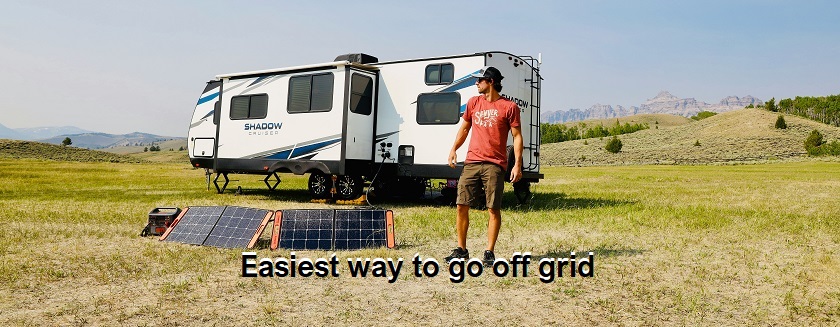
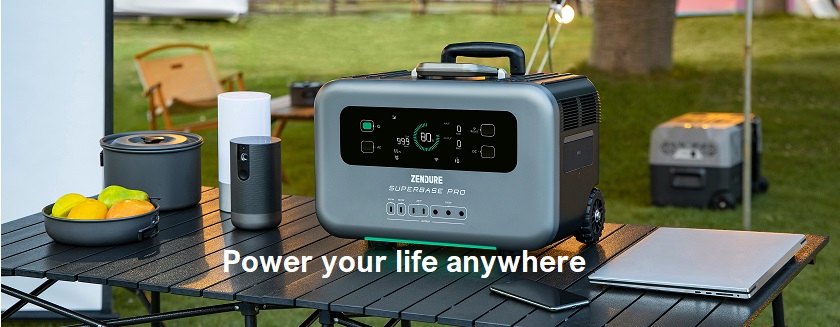
Solar generators take the complexity of traditional solar setups and simplify it into a compact, portable unit. A solar generator combines solar panels, an inverter, and a battery into one easy-to-use system, requiring significantly less investment of time and money compared to traditional installations.
Advantages of Solar Generators:
- Simplified Setup: No need for extensive wiring or installation. Solar generators are plug-and-play systems.
- Cost-Effective: Reduce upfront costs by eliminating the need for separate components.
- Portable and Flexible: Ideal for outdoor activities, emergency preparedness, and powering devices in remote locations.
- Minimal Maintenance: Designed for durability with minimal upkeep requirements.
By combining all essential elements into one device, solar generators make harnessing solar energy accessible to everyone, regardless of technical expertise or budget.
3. Benefits of Solar Energy
- Renewable and Sustainable: Solar energy is inexhaustible and environmentally friendly.
- Cost Savings: Solar power can significantly reduce electricity bills and operating costs.
- Energy Independence: With solar energy, you’re less reliant on traditional power grids.
- Versatile Applications: From powering homes to portable solutions for camping, solar energy can adapt to various needs.
4. Applications of Solar Generators
Solar generators are transforming the way we use energy by providing portable and reliable power. Common applications include:
- Camping and Outdoor Adventures: Power lights, phones, and small appliances in remote areas.
- Emergency Preparedness: Provide backup power during outages.
- Home Office Support: Run essential devices like routers, laptops, and chargers.
- Recreational Vehicles (RVs): Ensure power availability for off-grid travel.